Category: Presentations & Lectures

  • Common Upper Extremity Pain Syndromes

    Ultrasound guided upper extremity pain refers to the use of ultrasound technology to diagnose and treat pain in the arms, shoulders, and hands. Ultrasound imaging allows for a clear view of the soft tissue, nerves, and blood vessels in the affected area, which can help us accurately identify any issues or injuries.

    Ultrasound guided upper extremity pain procedures can be a quick and effective way to diagnose and treat discomfort in the arms, shoulders, or hands. They are minimally invasive and can be performed in a doctor’s office or outpatient setting.

    This is a presentation I presented at a workshop by Perdatin Nusa Tenggara Barat. It has some basic diagnosis and treatment for common shoulder, elbow and wrist pain syndromes. 


  • Patient Safety for C-Arm Guided Interventional Pain Management

    C-arm guided interventional pain management procedures, such as epidural injections and nerve blocks, can be effective in relieving chronic pain, but they also carry potential risks for patient safety. To minimize these risks, healthcare providers should follow best practices for patient safety.


  • Pain Intervention for Low Back Pain

    This is a presentation I made for an introduction about pain intervention. It has some basic general information about some common low back pain condition and the role of interventional pain management. 


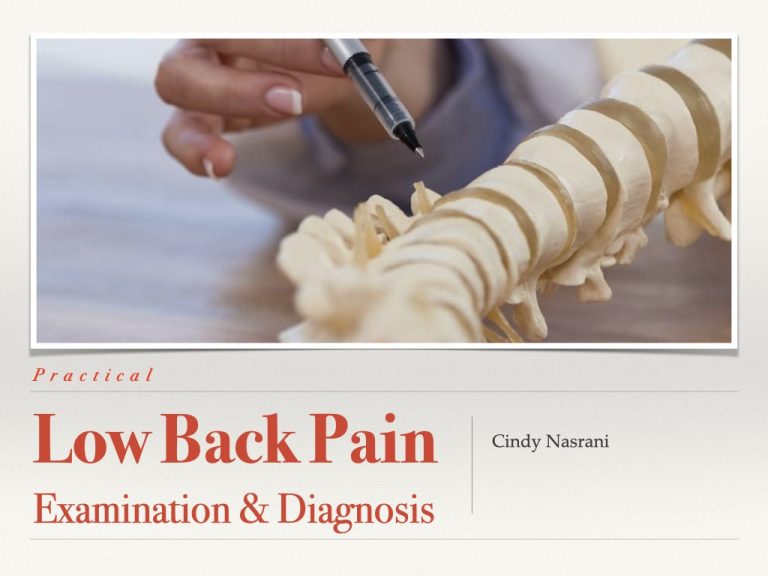
  • Practical Low Back Pain Examination & Diagnosis

    Low back pain is a common problem that affects many people. A thorough examination is important for identifying the underlying cause of the pain. The examination should include taking a detailed history of the patient’s symptoms, including how the pain started, the location of the pain, the duration of the pain, and any related symptoms such as leg pain, numbness or tingling.

    I have summarized some of the most common LBP conditions found in practice: lumbar facet pain, sacroiliac joint pain, discogenic pain, and lumbosacral radicular pain. I hope this can be a practical guide to diagnose the patient’s source of pain. 


  • Genicular Radiofrequency Ablation for Knee Osteoarthritis

    Genicular radiofrequency ablation (GRF) is a minimally invasive procedure used to alleviate pain associated with knee osteoarthritis. The procedure involves targeting specific nerves that transmit pain signals to the knee joint with a small electrode that delivers radiofrequency energy to create heat and destroy the targeted nerves. This can provide long-term relief by interrupting the pain signals to the brain.

    GRF is typically performed as an outpatient procedure, with patients typically experiencing minimal pain or discomfort during and after the procedure. It is considered a safe and effective treatment option for those who have not responded well to other treatments such as medication or physical therapy. However, as with any medical procedure, there are potential risks and complications that should be discussed with a healthcare provider, including infection, bleeding, and nerve damage.

    Overall, GRF provides a promising alternative for those seeking relief from knee osteoarthritis symptoms without the need for invasive surgery.

    This is a topic I presented for a webinar “All You Need to Know About Knee Osteoarthritis” on 16 April 2023, by PERDOSRI JATIM. 


  • Basic C-Arm Technique for IPM

    C-arm fluoroscopy is an imaging technique frequently used in interventional pain management procedures. Before starting the procedure, the area of interest is assessed and the patient is positioned on the table in a way that optimizes access to the target structure and minimizes unnecessary radiation exposure. The C-arm is then positioned accordingly to obtain the desired image. The image can be adjusted for contrast, brightness, and magnification to maximize visualization of the target area. During the procedure, the use of intermittent fluoroscopy is recommended to further reduce radiation exposure. Additionally, proper radiation safety protocols such as shielding and minimizing the operator’s proximity to the radiation source should be followed. Overall, the use of C-arm fluoroscopy in interventional pain management procedures can improve outcomes and increase safety for both the patient and the operator. This presentation is the basics I present for c-arm guided workshops.


  • Lumbar Facet Joint Pain

    Lumbar facet joint pain is lower back pain caused by damaged or degenerated spine joints. These joints provide stability and mobility to the spine. Joint damage leads to lower back pain, stiffness, and discomfort, caused by arthritis, injury, or wear and tear. This was a presentation I made covering the basics of lumbar facet joint pain and the interventional c-arm guided treatment.